


"zom Luege ond Noelese"
History
over hill and dale
Do you know who was significantly involved in the construction of the Kronbergbahn? Or when it was opened? You can find the answers here!
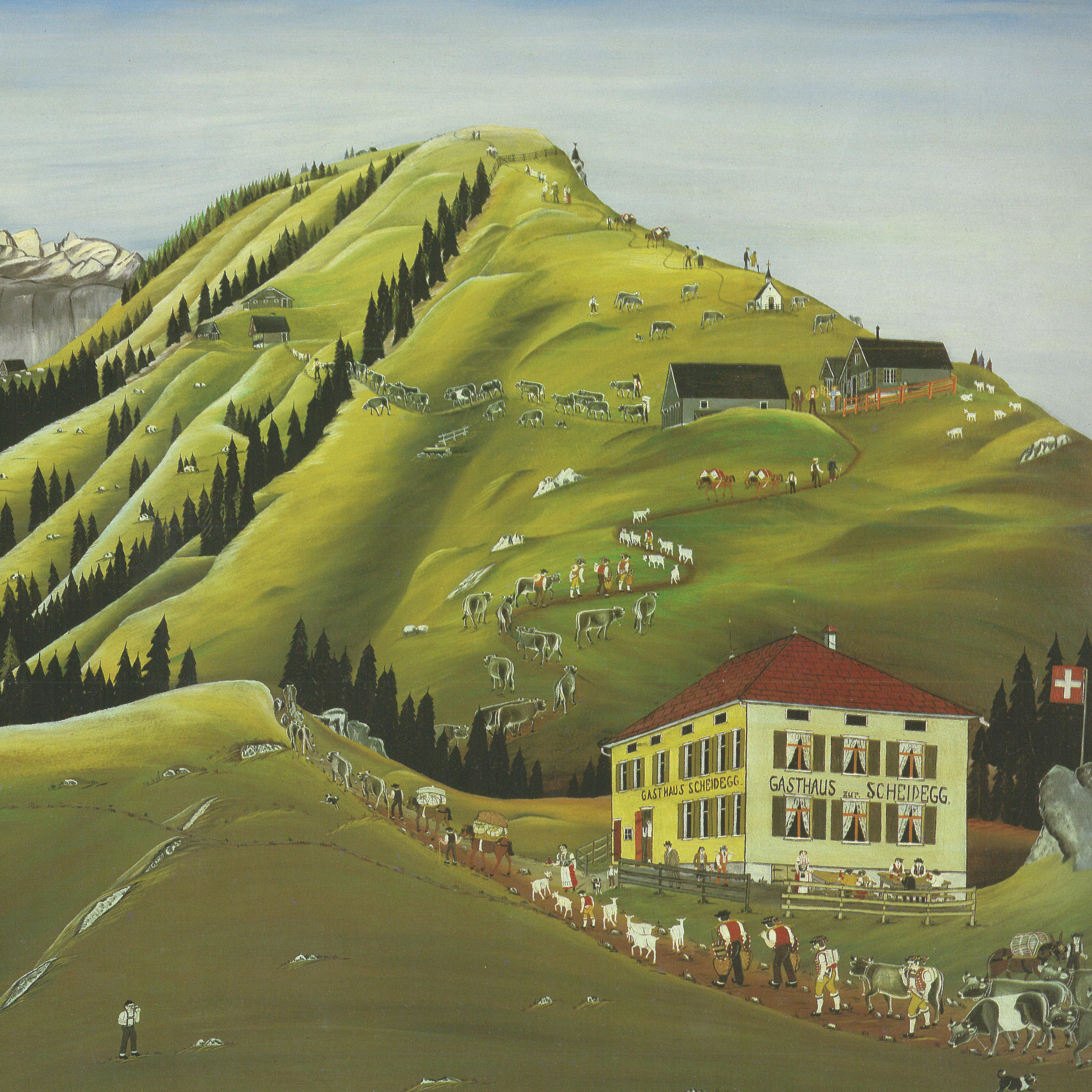
First restaurants
It is not possible to determine exactly when people started traveling to the Kronberg for other purposes. It can be assumed that after the establishment of health resorts outside the country's borders - Gontenbad in the 18th century, Jakobsbad after 1845 - people probably also hiked in the Kronberg region. Tourism certainly increased after the Urnäsch-Gontenbad line of the "Appenzeller Bahnen" was opened to scheduled traffic on August 16, 1886. However, sources document the existence of summer inns for several years before that.
According to an advertisement in the "Appenzeller Volksfreund", a mountain restaurant must have been opened on the Kronberg for the first time on June 28, 1878. At that time, however, it was not on the top of the ridge but on the Jakobsalp, and probably only on a modest scale. The reason for this location of the inn is obvious: in the past, the path from the Kronberg down into the valley did not lead along the ridge, but further down the valley, through the Jakobsalp. It was opened by Karl Anton Broger (1828-1885), who identified himself as a dairyman and innkeeper in 1880 and died as a farmer in Sulzbach on March 13, 1885, according to the death register. According to this, he must have been a part-time tenant of the aforementioned alp on the "nöödige Chrobeg".
Later, the Kronberg and Gross Chenner were also used as inns. The innkeepers are documented in advertisements: Metzger Baumgartner, probably "Kreuz" innkeeper Conrad Baumgartner (1852-1900) on Jakobi 1893, Josef Anton Neff in summer regularly from 1894 and perhaps until 1898, whose life dates could not be determined in Gonten. Josef Anton Huber (1872-1931), "Mandlis", must also have been the owner of this alp from 1899 onwards, or at least had it managed. Because on June 20, 1906, he placed an advertisement in the "Appenzeller Volksfreund" announcing that the "Ruheplatz" inn on his alp would be closed for the whole summer. Perhaps this was connected to the opening of the "Kronberg" inn on the Jakobsalp on July 14, 1906 by Johann Baptist Hersche in Gonten.
We don't know until when it was open every Saturday and Sunday in fine weather. Perhaps until 1917, as on June 13, 1918, the buildings belonging to the canton, the alpine hut and stable, were destroyed by fire and not rebuilt due to reforestation.
Discovering the ski area
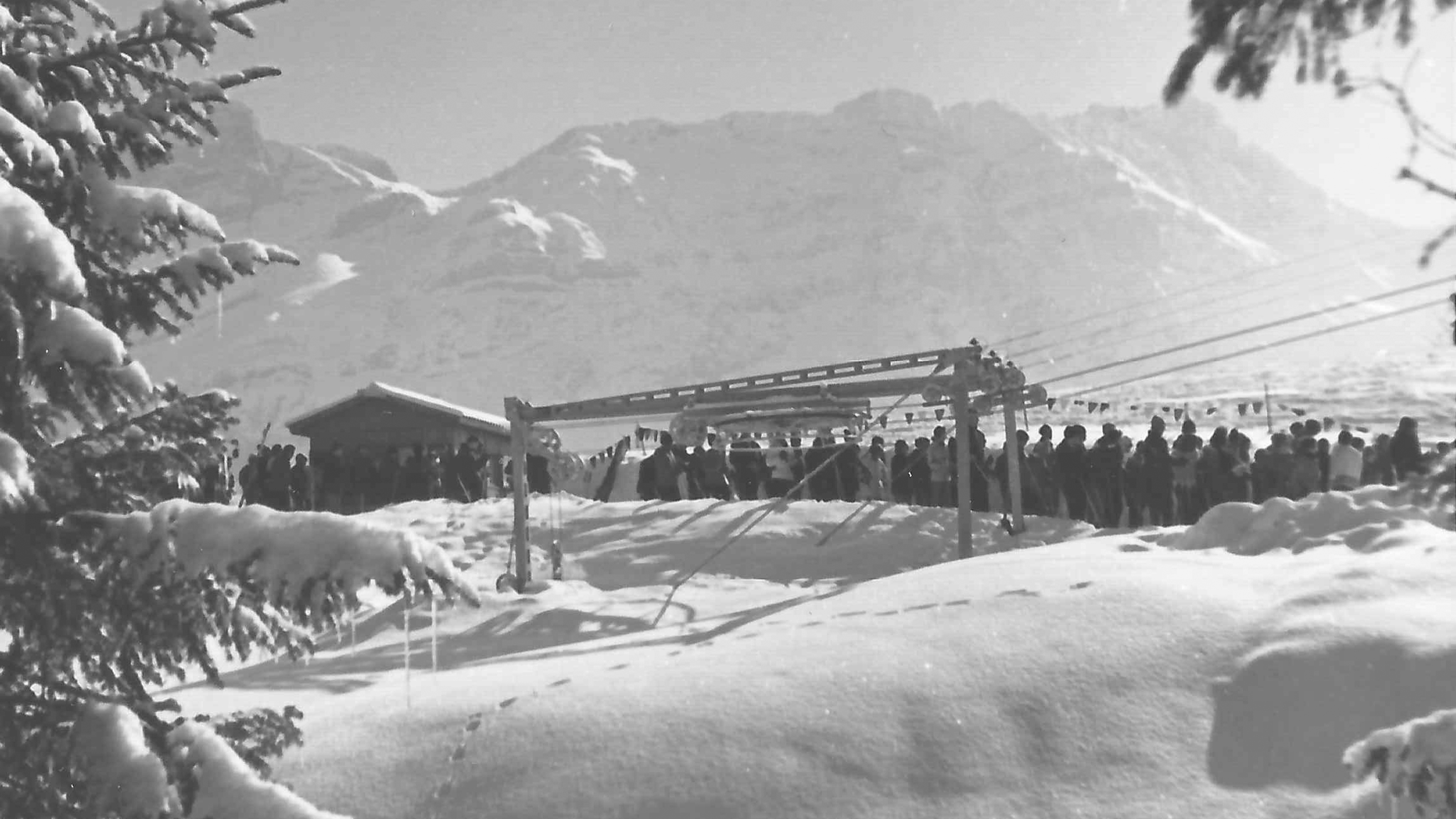
At the beginning of the 1930s, winter sports also emerged in the high valley of Gonten. The Kronberg and its foothills were recognized as a ski area with guaranteed snow. Members of the Gonten Ski Club, founded on November 30, 1930, played a major role in this. They worked tirelessly to mark and maintain downhill pistes and ski routes. They even guided out-of-town participants in sporting events to the ski area on the Kronberg, which soon became known as the "Parsenn of Eastern Switzerland". The events were so popular that the "Jakobsbad" spa hotel, for example, could barely cope with the large number of skiers - several hundred people finished their ski tour here each time.
Berggasthaus Kronberg
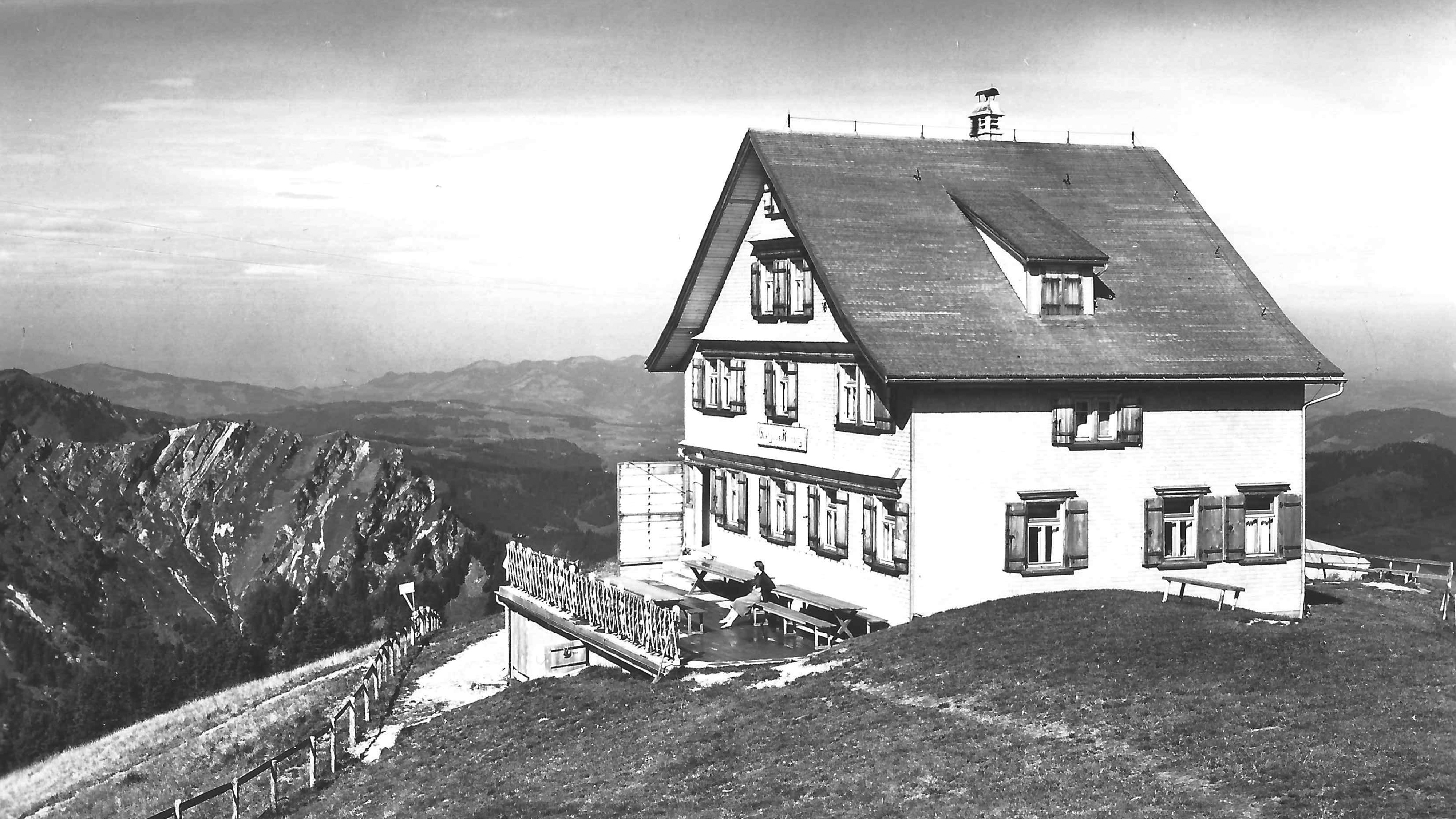
Josef Anton Rusch (1896-1990), "Schotz-Sebedöni", was not immune to the upswing in tourism. By building an inn on the Kronberg, he hoped to create a better existence for himself, his wife and their son.
However, this first required a patent, which he was able to acquire from the recently acquired "Gontenbad" spa hotel. With this authorization in his pocket, he bought around 12 acres of building land near the summit of the Kronberg from the owner of the "Dorwies" alp, the Leimbach brown cattle breeding cooperative, on 1 December 1934. Included in the purchase was the right to tap a spring located around 300 meters west of the building site. This meant that the essential prerequisites for the realization of Sebedöni's project were already in place.
However, before construction could begin, a transportation cableway had to be built. The so-called "engine house" was built in the valley near the "Anker" house on the road to Kalchofen. In order to maintain a straight line, three supports were built, the first near the main building of the "Weissbüel" property, the second near the Schotz, where Rusch was born, grew up and worked as a warden for the Höhe-Kronberg timber corporation, and the third in the Heimweid "Klein Hackbüel". This ensured problem-free transportation of building materials and construction workers. But even unauthorized persons, such as a later president of "Kronbergbahn AG", made use of this fast means of transport.
On June 9, 1935, Whitsun, the new inn, which was still under construction at the time, was ready for its first toast. Most of the construction work was carried out by local people. During the construction period, a new telephone line was also laid from Scheidegg via the "Gross Chenner" alp.
Resinous development after initial successes
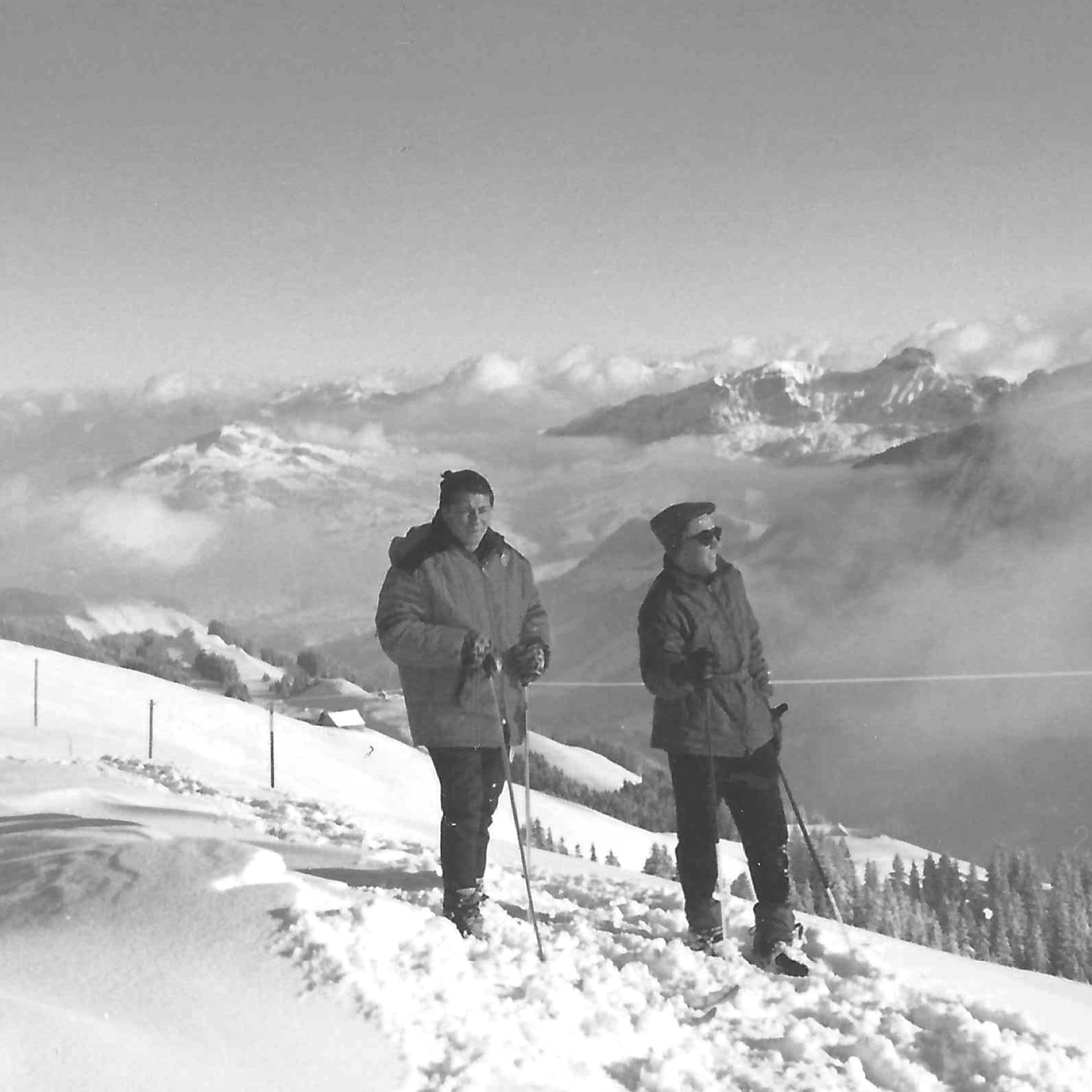
After the opening of the mountain inn, there were several years with good results. According to the mountain innkeeper's recollections, 1,000 or more skiers were counted on the Kronberg on fine winter days. The landlord couple hardly knew what to do with the people. However, the difficult times that followed, the global economic crisis, which was still being felt, as well as the Second World War and its aftermath, put a damper on the "Schotz-Sebedöni". The emergence of the first ski lifts in Toggenburg and competition from the mountain railroads were probably also to blame, which is why the Kronberg soon fell into oblivion. Income became increasingly scarce over time, and even the keeping of goats was no longer able to save the business. Had Rusch known this in advance, he would probably not have taken such a risk before embarking on the construction work.
But it is probably thanks to him that after his work as a host on the Kronberg, his mountain inn was able to continue and the summit was made more accessible by a cable car . Despite his unintentional failure, he can justifiably be described as a pioneer of modern tourism in the high valley of Gonten. So it is hardly surprising that he was later chosen as an advertising medium for the cable car on the Kronberg.
On April 12, 1950, the mountain inn, including its inventory, electric lighting system and defective cable car with valley station, was put up for public auction. For the price of 58,000 Swiss francs, the property became the property of Dr. iur. Beat Kölbener (1917-1975) of the "Konzerthalle" in Appenzell. The former councillor and later cantonal judge leased the business to third parties. However, as he did not have the faulty transport railroad repaired, the transportation of drinking and eating goods to the Kronberg became a major burden over time. This is probably one of the reasons why Kölbener, who was a member of the Board of Directors of "Ebenalpbahn AG" from 1954, soon became disgusted and thought about getting rid of this business.
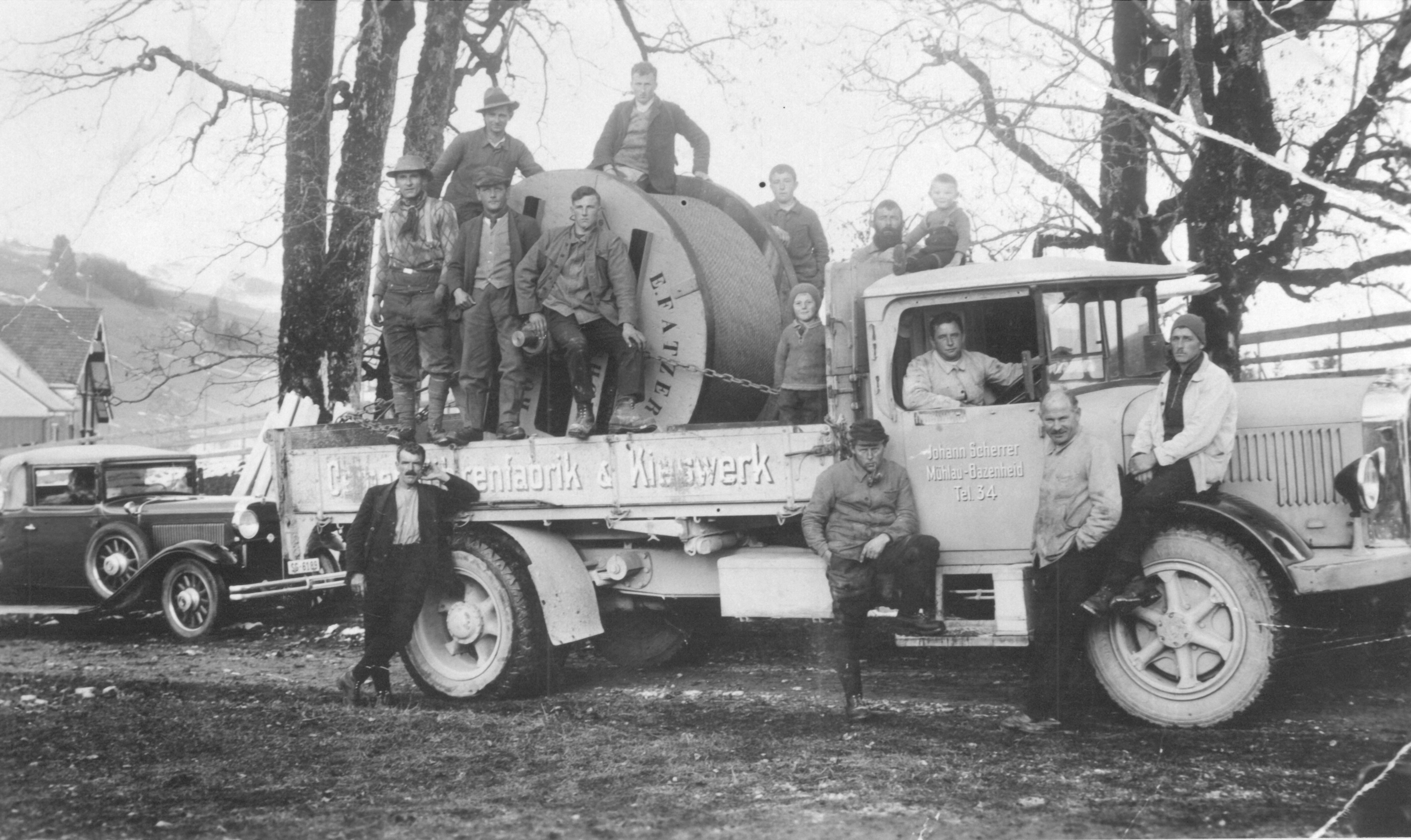
New project: Construction of a reversible aerial tramway
On November 17, 1959, the inn and the associated facilities were sold to Karl Garaventa (1922-1989), or rather to the company "Karl Garaventa's Söhne AG" for cableway and mechanical engineering, which he founded together with his brother Willy in 1957 and which has been based in Immensee since 1960 in Goldau. His father of the same name (1888-1965) is today regarded as a pioneer in the field of mountain railroads. Karl Garaventa jun. pursued the goal of having his company build the first large aerial tramway in the Gonten district as general contractor. With his purchase of the "Schwarzenberg" property on November 26, 1960, he once again solidified his decision. The second support for the cable car to be built was to be erected there, on his own land.
In order to better realize his plan, he contacted the political VIPs of Gonten at the time, including Governor Johann Koch (1915-1982), the two district governors Emil Manser (1907-1970) and Heinrich Manser (1902-1990) as well as district councillor Beda Ammann (1909-1994), the treasurer of Raiffeisenbank Gonten. Included in this circle were Erwin Meier, the station chairman in Gonten, where he performed the functions of a spa and tourist association, and representatives of the Christian Social Holiday Home Cooperative of the Canton of Thurgau, which at that time ran the "Jakobsbad" spa hotel under the spiritual direction of the Palottine Father Karl Wiesli (1911-1977).
Projects were then drawn up in this group. The one for 40 passengers in one cabin and an hourly transport capacity of 280 passengers was convincing. It should be noted here that the Kronbergbahn was to be the first Garaventa reversible aerial tramway with this capacity. It is also the only cable car in Switzerland to cover a distance of 2.2 kilometers without a support. However, the members of the committee were not always of the same opinion: Koch wanted a cable car from Gonten, but was unable to prevail over Garaventa and the other initiators, which is why he withdrew from the campaign committee.
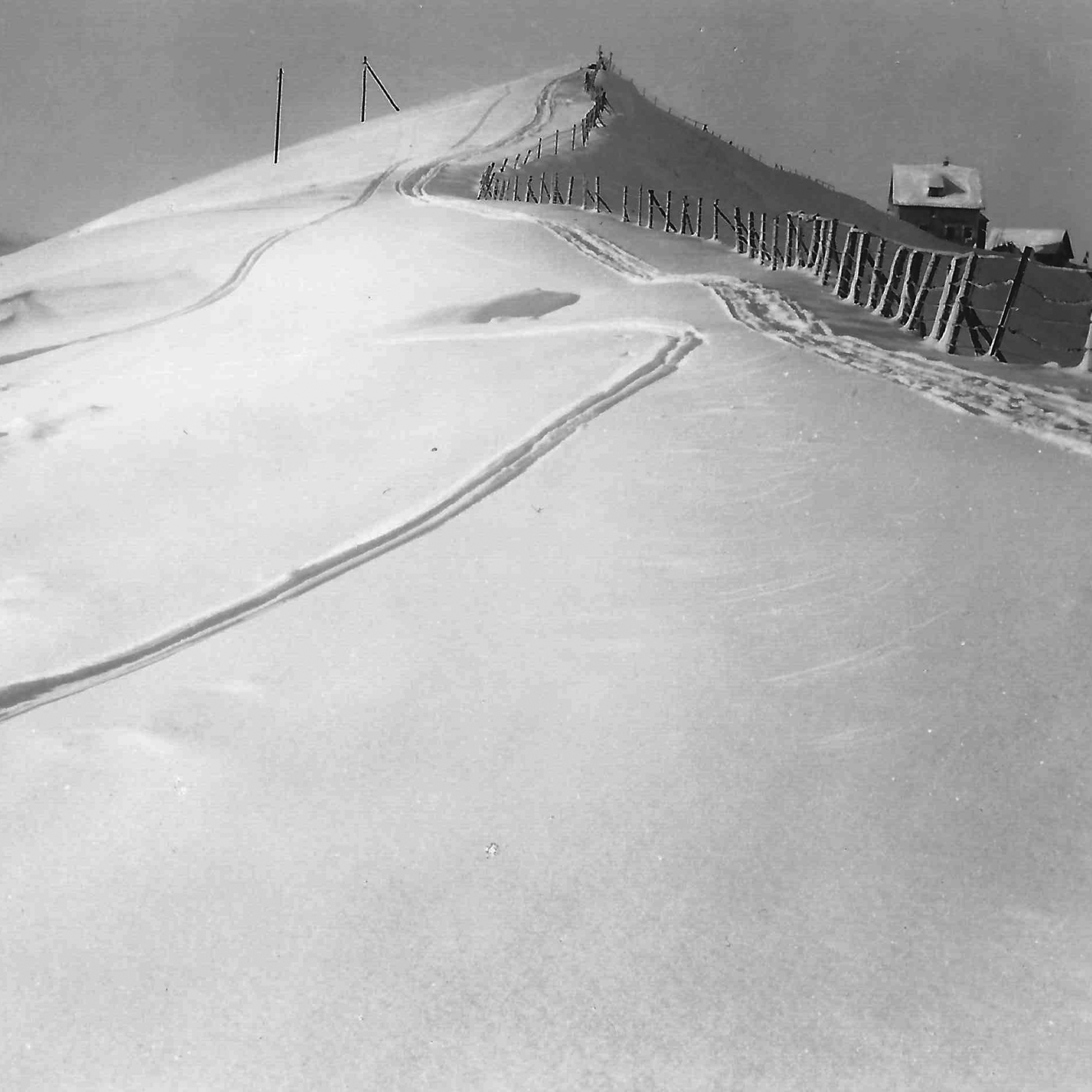
The bold project is taking shape
The project under consideration was well received in Gonten. On May 1, 1960, the district council approved a guarantee of 10,000 francs. Further support was received at district level by subscribing for shares worth twice the aforementioned amount. The initiators were also delighted when, on January 18, 1962, the public was informed that a federal concession had been granted for the cable car. However, this was not the case with regard to the financing of the planned company; only three weeks before the constituent meeting, the planned share capital was oversubscribed by 1.5 million francs.
On June 7, 1962, the founding meeting was held in the park of the "Jakobsbad" spa hotel. Of the 635 shareholders, 235 were informed of the status of the project with just over two-thirds of the votes. After the articles of association were approved, a nine-member Board of Directors was appointed in accordance with the committee's proposals. The new board was immediately authorized to take out a loan of CHF 700,000 to cover the remaining construction costs.
On July 12, 1962, the Board of Directors held its first and constituent meeting. Captain Emil Manser was elected President. Also elected were Georges Schmitt-Neff, Arbon, as Vice President, Beda Ammann as Treasurer and Fr. Karl Wiesli as Actuary. Further meetings and visits were held to ensure that the initiated project could be implemented. Problems arose again with the procurement of financial resources. As it was not possible to provide the additional funding suddenly requested in Berne, the Federal Office of Transport imposed a total construction ban on the cable car . This problem was circumvented by the Garaventa Board of Directors injecting the necessary funds so that further preparations for the construction could be started.
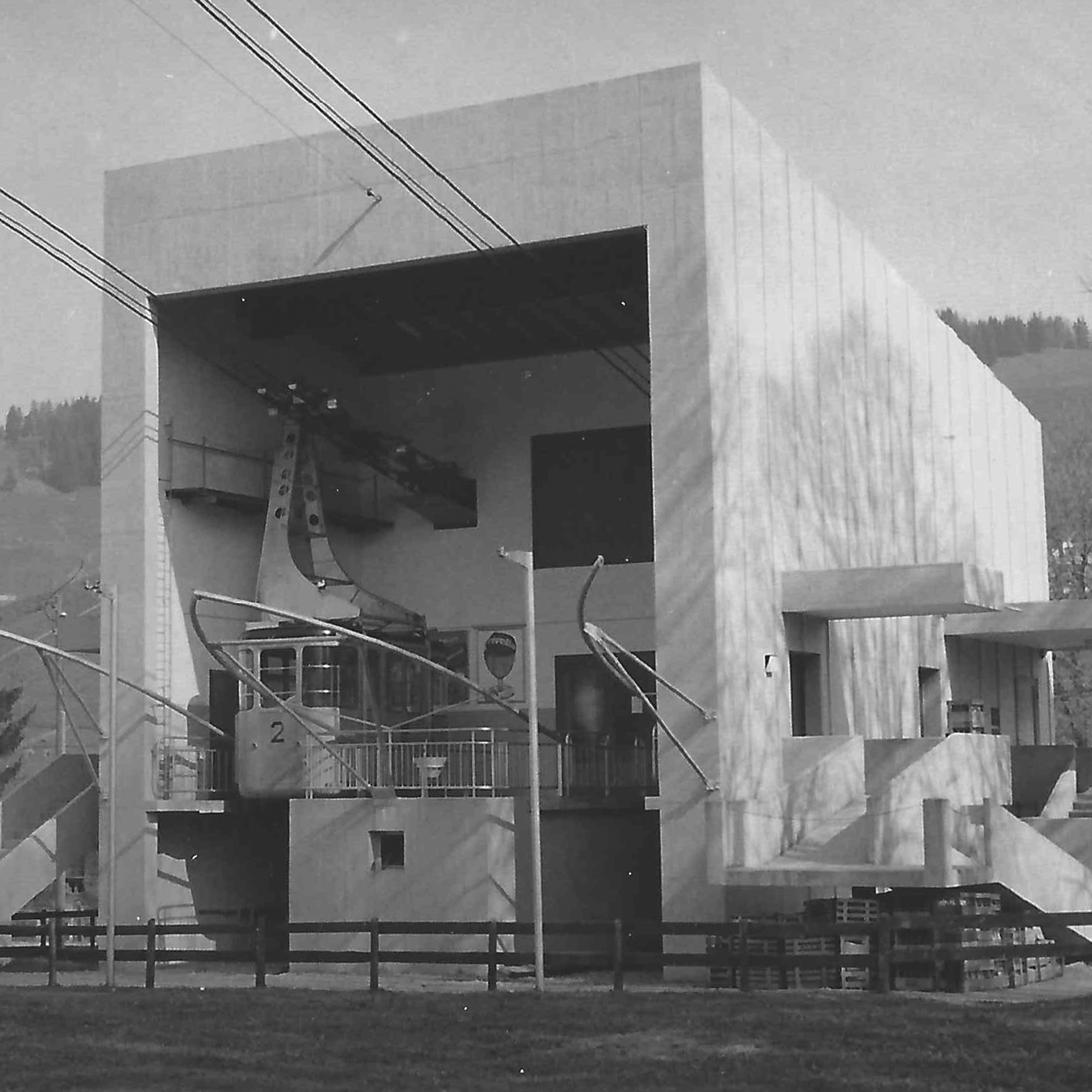
Structural implementation of the project
Josef Holderegger (1924-1997), President of "Kronbergbahn AG" from 1984 to 1996, tells us about the construction work, which began on April 16, 1963, in "Gontner Geschichte". In his detailed report, we learn that not everything was always without difficulties.
Although the existing transportation track could be repaired and converted, it proved to be unsuitable for transporting heavy components. To solve this problem, a track with a payload of up to five tons was built. But how was it possible to transport a caterpillar trax, which weighed considerably more, to the excavation site on the Kronberg? In addition, the route over the Scheidegg and the "Gross Chenner" alp was impossible due to the steepness of the terrain and the amount of snow. Once again, "Garaventa Kari" knew how to step into the breach. Without asking for permission to pass through, they first used the Alte Schwägalpstrasse and then the road to the "Riglen" and "Nosshalden" alps. On the latter, however, the terrain was so steep that a track had to be built first. Not only for his project, but also to improve the management of the alp, the entrepreneur thought. However, he made a serious miscalculation here, as the owner of the alp met with energetic resistance and the previous state had to be restored. Only after a few days was it possible to continue on towards Langälpli and Dorwees on the Kronberg, also with the use of cable winches.
Excavation work could finally begin on the construction site. The removal of frozen Nagelfluh, the "concrete of God", took a lot of time. Once this work was completed, the installation of steel anchors began. Then it was a matter of shuttering, laying reinforcements, concreting and stripping, whereby the long working hours - starting at four in the morning and finishing at ten in the evening - are likely to cause outrage among the trade unions today.
As far as the weather permitted, the construction work on the Kronberg and in Jakobsbad progressed almost in parallel. The buildings at the mountain station were completed on schedule, while the installation of interior fittings at the valley station delayed the work considerably.
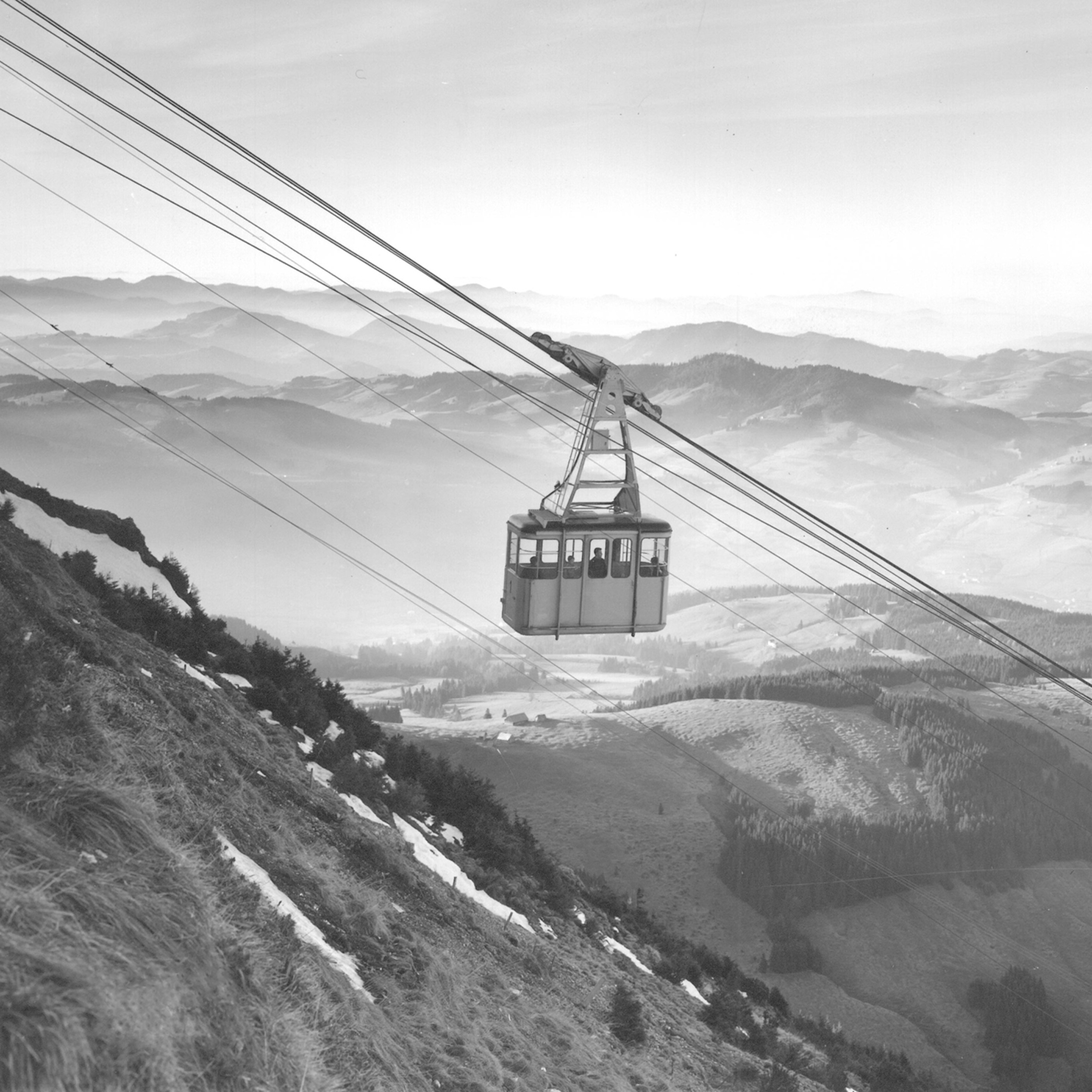
In the final phase of work
In January 1964, the roof truss of the mountain station was erected in wild weather and then Eternit panels were laid on top. This meant that they were no longer dependent on the weather and work could begin in the engine room. Unlike today, the decision was made to install the drive on the mountain and not in the valley station for technical reasons.
On February 17, 1964, work began on pulling the ropes; the complex pulling and tensioning work took around seven weeks. After installing the control elements and assembling the machines, the time had finally come: the first cabin was installed on June 27, 1964. During the maiden voyage, however, a breakdown occurred in the middle of the route, causing the members of the board of directors taking part in it to turn white as chalk. Fortunately for them, however, an emergency stop was only triggered automatically; the train cable had twisted in the sleeve due to the strong twist.
In the third week of July, the cable car was put through its paces, so to speak, by experts from Bern. After all, if everything is in order, this should be one of the most modern aerial cableways in Switzerland. On July 18, the responsible official from the Federal Office of Transport signed the operating permit, so there was nothing more to worry about.
Grand opening
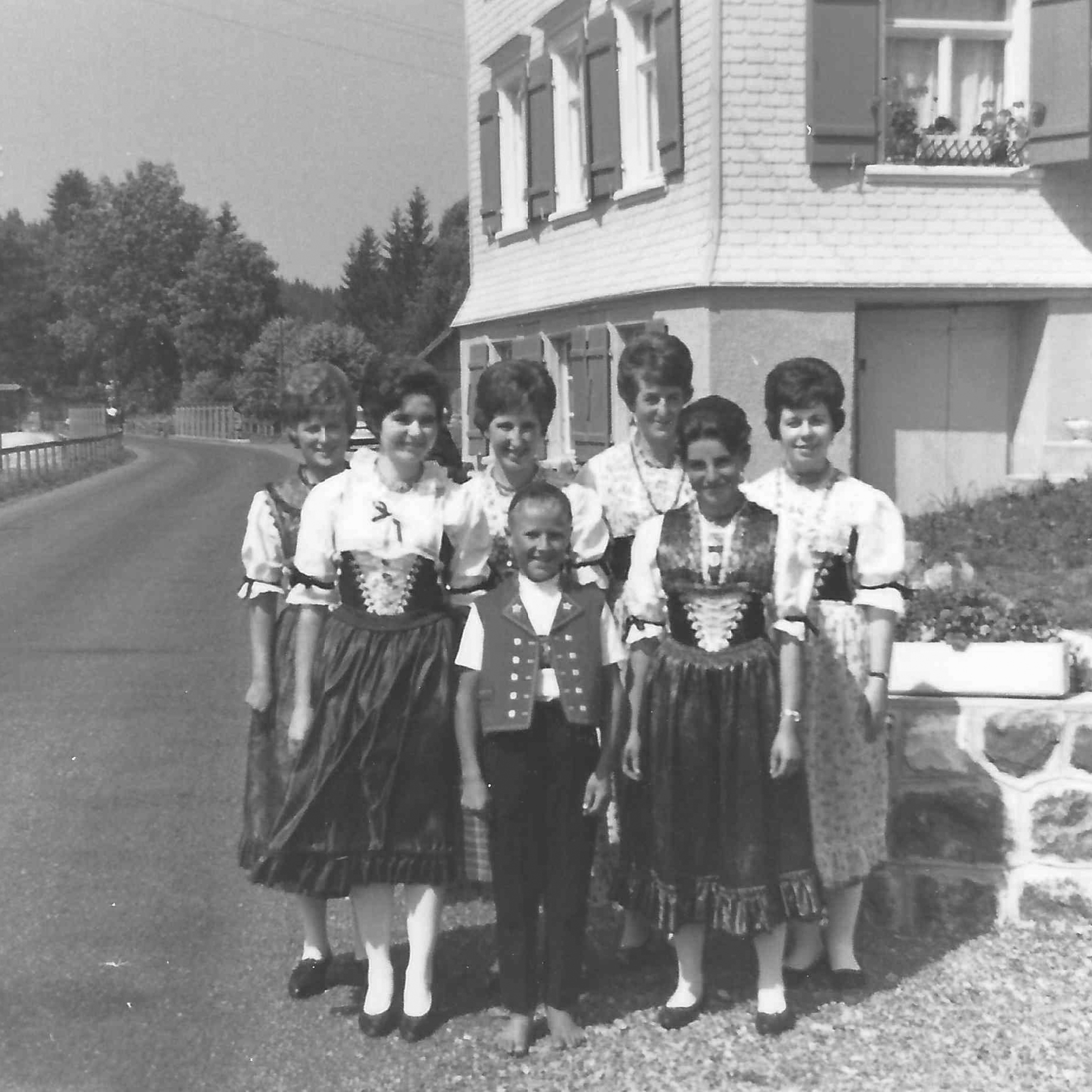
On July 18, 1964, the new Kronberg cable car was ceremoniously opened, a memorable event in the history of the high valley of Gonten. The President of the Board of Directors, Captain Emil Manser, gave a short, direct and succinct speech, as was his nature, after which the builder Karl Garaventa presented him with the keys to the cable car. The priest of Appenzell, Anton Wild (1906-1966), then gave the church blessing and placed the passengers under the protection of God. The ceremony was framed by the sounds of the Bürgermusik Gonten and performances by the Cäcilienverein Gonten. It was noted with satisfaction that the race against the cable car built at the same time on the Hoher Kasten was won, the operation of the Kastenbahn was only to start three weeks later, on August 11, 1964. Later, however, in uncertain and difficult times, people came together here: On April 15, 1999, close cooperation was temporarily agreed and the technical manager of the Kastenbahn took over the technical management of the Kronbergbahn on an ad interim basis.
The opening of the Kronbergbahn gave the inner Rhodian transport system a new boost, so that traffic in the high valley of Gonten was very heavy at the following weekends. By August 6, 1964, the 20,000th passenger had already been transported. Manser commented shortly afterwards that the district of Gonten was in dire need of this traffic, "because it was a poor district with few opportunities for industrial development". Raymond Broger (1916-1980), a man with Gonten roots, relegated this "poverty" to the realm of fairy tales, pointing out that a municipality with five railroad stations, two and a half as many as Appenzell, could hardly be described as poor.
Further milestones
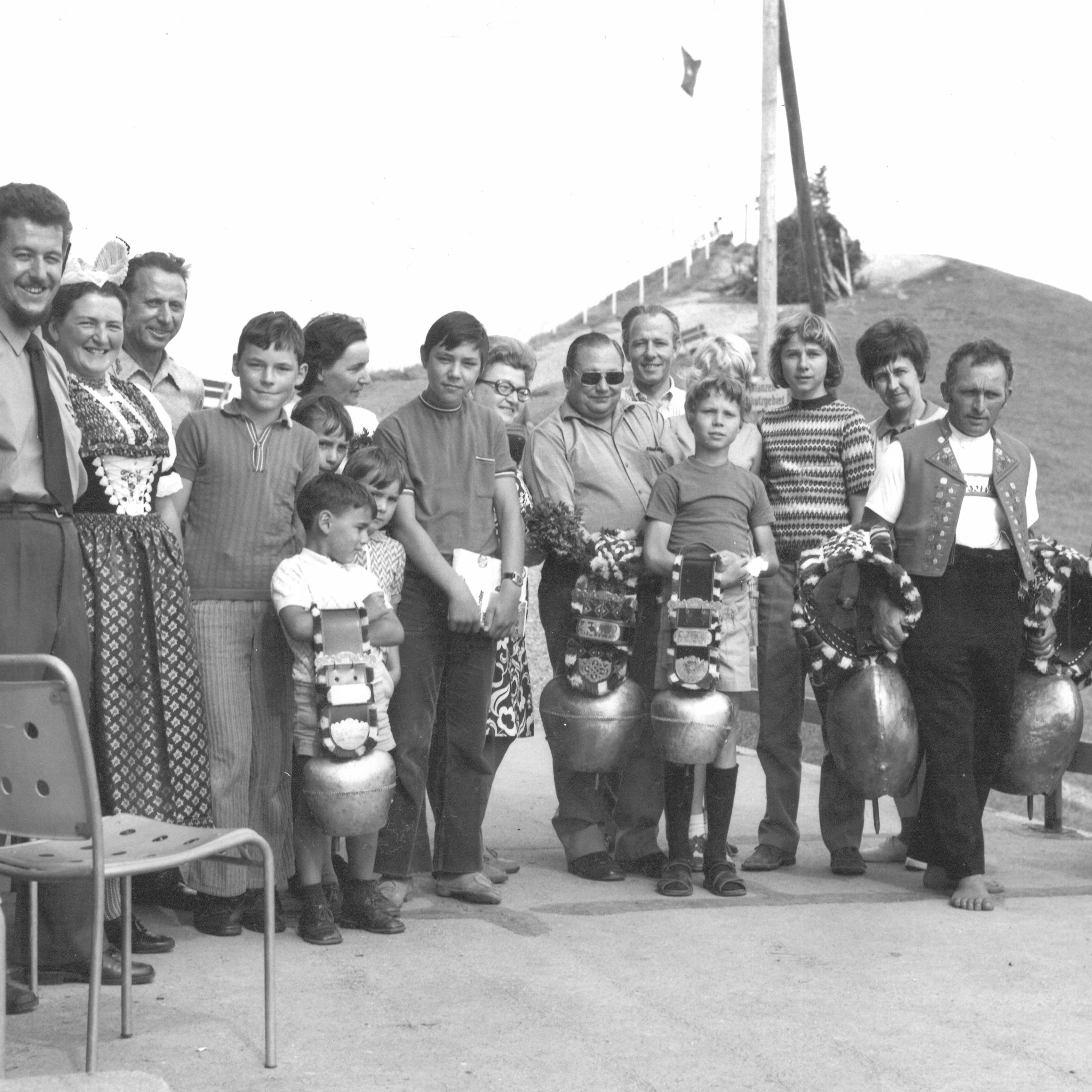
Construction of the restaurant did not begin until April 1964. The decision to build it had already been made on May 25, 1963 at an extraordinary general meeting with a cost estimate of 460,000 francs. The mountain restaurant was still under construction when the lift went into operation, so the inauguration had to be held on the basement ceiling. However, the restaurant, which was also built in exposed concrete, was opened on December 5/6, 1964, just in time for the start of the winter season.
Further expansion - recent history
In the following years, the company did not remain inactive and continued to expand solidly. Great attention was also paid to expanding the hiking trails, as the Kronbergbahn area has become a very popular excursion destination for families and senior citizens. The other milestones in the development, as well as important events surrounding the Kronberg, are recorded in a chronological overview:
- 1966, Dec. 3: Opening of the Studen-Kronberghütte ski lift
- 1970, July 8: Annual excursion of the entire Federal Council including the Federal Chancellor to the Kronberg
- 1971, Jan. 9: Opening of the Jakobsbad-Lauftegg ski lift
- 1972: Commissioning of the automatic weather information service
- 1972, Aug. 5: The one millionth passenger can be celebrated
- 1977, Dec. 17: Opening of the so-called "summit lift", the connecting lift from the mountain station of the Studen ski lift to very close to the old inn
- 1980, Jan. 4: The two millionth passenger on the Kronbergbahn can be celebrated
- 1981, May 23: Decision to carry out construction work in the restoration rooms in the amount of CHF 400,000
- 1982/83: Conversion of the old mountain inn into a self-service restaurant & tourist camp
- 1984/85: Exterior renovation of the valley station
- 1985, Sept. 21: Flight day on the Kronberg with a demonstration of various aircraft in front of 3,000 spectators
- 1988, May 30: Construction projects amounting to CHF 1.2 million are approved (construction of the disposal channel from Kronberg via Scheidegg to the Jakobsbad wastewater treatment plant, conversion and extension work at the mountain inn, technical renovation of the cable car).
- 1994, 5 May: The appearance of the modernized Kronbergbahn is characterized by new gondolas (commissioning only on 28 May)
- 1995, May 17: A toboggan run is to be built in the Lauftegg area for one million francs. But tobogganing is a long time coming
- 1996, March 1: A half-pipe for snowboarders has been installed in the lower area of the Studen ski lift
- 1999, April 9: The darkest day in Kronberg history: Alfred Fässler-Gschwend, "Sonnebuebe-" or "Schötze-Fred", is tragically taken from life in an accident during maintenance work on the cable car
- 1999, 28 June: Opening of the 970-metre-long toboggan ride at the valley station, which is hoped will further stimulate the cable car and tourism in general
- 2000, Sept. 14: The 200,000th passenger on the toboggan ride, exceeding estimates, albeit cautious ones, by a factor of two. The ride becomes an important part of the company
- 2005, Oct. 29: Completion of construction work on the extension of the mountain inn (extension on the east side, striking extension of the kitchen, bright and friendly bistro)
- 2006, Sept. 15: The toboggan ride may exceed the million mark
- 2007, Jan. 4: The Kronbergbahn appears in fourth place among the most profitable mountain railroads in Switzerland in the "Under ten million turnover" group
- 2007, Jan. 10: A rope park with rope bridges, climbing ropes, footbridges and other rope facilities is to be built between the valley station and the southern forest.
- 2008, May 16: The company is in excellent health and can boast its highest turnover to date for 2007 at almost CHF 3.1 million
- 2009, July 2: Federal Council "school trip" to the Kronberg, the personal mountain of the President of the Swiss Confederation, Hans-Rudolf Merz
- 2011, March 18: The Studen and Lauftegg ski lifts are abandoned in favor of the longest toboggan run in Eastern Switzerland
- 2011, Dec. 16: Construction work on the snack restaurant at the valley station is complete. The temporary tent has given way to a stately new building
- 2012, May 13: 2011 was the best year in the company's history. The catering operations contributed significantly to this, but the other areastoboggan ride, rope park, cable car) also grew continuously
- 2012, Aug. 18: The entry in the Guinness Book of World Records was officially certified during the Bank Festival
- 2012, Dec. 14: Commissioning of the completely renewed cable car control system
- 2018, June 7: Ceremonial inauguration of the new valley station with blessing by parish priest Lukas Hidber
- 2018, Oct. 30: Storm "Vaia" completely destroys the rope park. Reconstruction without trees would be costly and yet not very attractive
- 2019, May 28: Ground-breaking ceremony for the construction work on the pioneering solar power plant project
- 2019, Aug. 15: Opening of the new adventure park with a 6-person trampoline facility, a slackline and a "storm wood" balancing course
- 2020, Aug. 15: Opening of the new zipline park
- 2020, Sept. 1: Opening of the new fairy-tale-world with Arnika and Jacobi
- 2024, May 11: cable car Jakobsbad-Kronberg AG becomes Kronberg AG. The revision of the Articles of Association is approved at the Annual General Meeting